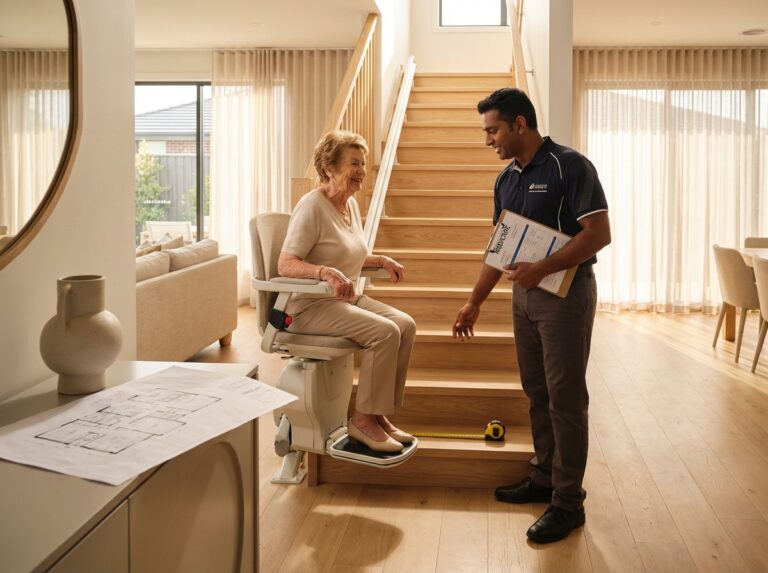
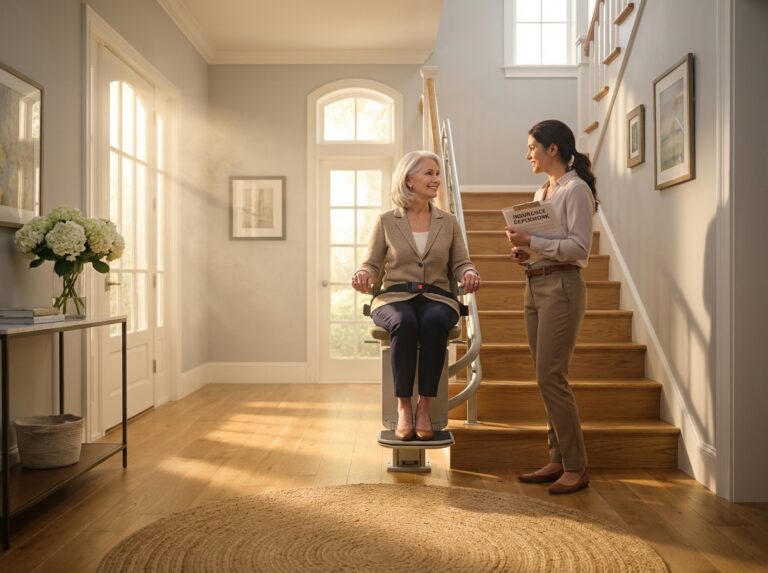
Many veterans need stairlifts to stay safe and independent at home. This article explains which VA and related programs can help fund stairlifts, how to document medical need, how to apply, and practical planning tips for choosing and installing the right stairlift model. Follow these steps to improve access while maximizing available benefits and local resources.
Why stairlifts matter and how VA support fits in
Stairs often become the most significant barrier for veterans who want to remain in their own homes. A fall on a staircase can lead to serious injury. It can also result in a permanent move to a nursing home. Installing a stairlift is a practical way to lower this risk. It helps maintain independence. It ensures every floor of the house remains reachable. This investment often pays for itself by delaying the high costs of institutional care.
Choosing the Right Equipment
Before applying for benefits, it helps to know which product fits your home. Straight stairlifts work for a single flight of stairs with no turns. They are the most affordable. They are also the fastest to install. Curved stairlifts are custom made for stairs with landings or corners. These cost more because the rail must be bent to fit the exact shape of your walls. Outdoor models are built with weather resistant materials for porches. A stairlift is usually better than a ramp when the elevation change is high. It is also better when yard space is limited. If mobility is extremely limited, an in home elevator might be necessary. These are much more expensive than lifts. In some cases, moving to a single level home is a more sustainable long term choice than modifying a complex multi story house.
Which VA programs can help pay for a stairlift
The Department of Veterans Affairs provides several distinct pathways to help you pay for a stairlift. These programs range from large housing grants for those with severe service-connected disabilities to smaller medical grants and monthly pension increases. Understanding which one fits your situation depends on your disability rating, your income, and your specific medical needs.
Specially Adapted Housing and Special Home Adaptation Grants
Specially Adapted Housing (SAH) Grant
The SAH grant is designed for veterans with very high levels of disability that are connected to their military service. This typically includes the loss of use of both lower extremities or a combination of blindness and limb loss. For the 2025 fiscal year, the maximum amount for an SAH grant is $129,530. This funding is meant for permanent changes to a home you own. It can cover the full cost of a high-end curved stairlift or even a residential elevator if that is what the medical team recommends. The VA delivers this benefit as a direct grant to pay for the equipment and the labor. You can find more details on the official VA housing grants page. These amounts are updated every October, so you should verify the current cap on the VA website.
Special Home Adaptation (SHA) Grant
The SHA grant is for veterans with specific service-connected disabilities that might be less restrictive than those required for SAH but still impact daily life. This includes the loss of use of both hands, certain severe respiratory injuries, or blindness in both eyes. For 2025, the maximum SHA grant is $25,946. This is often the best fit for a veteran who needs a stairlift to access a bedroom or bathroom but does not require the massive structural changes covered by the larger SAH grant. Like the SAH, this is a direct grant that you can use up to six times over your lifetime until you reach the maximum dollar limit.
Temporary Residence Adaptation (TRA) Grant
If you are living temporarily in a home owned by a family member, you might still qualify for help. The TRA grant allows SAH or SHA eligible veterans to modify a space they do not own. For 2025, SAH-eligible veterans can receive up to $52,170 for these temporary modifications. SHA-eligible veterans can receive up to $9,315. This is a practical solution if you are staying with relatives while looking for a permanent home or recovering from a procedure.
Home Improvements and Structural Alterations (HISA)
HISA Grant Purpose and Limits
The HISA grant is the most common way veterans get funding for stairlifts because it does not require a specific type of disability. It only requires that the modification is medically necessary for the treatment of a condition. The funding levels depend on whether your disability is service-connected. For 2025, veterans with a service-connected disability can receive up to $6,800. Veterans with a non-service-connected disability can receive up to $2,000. While $2,000 may not cover the full cost of a new stairlift, it can significantly offset the price of a refurbished unit or a straight model. You can read the full requirements on the HISA benefit page. This grant is usually managed through the prosthetics and sensory aids department at your local VA medical center.
Pension Based Support and Flexible Care Programs
Aid and Attendance and Improved Pension
If you do not qualify for a direct housing grant, you might qualify for the Aid and Attendance benefit. This is an increased monthly pension for veterans who require the assistance of another person to perform daily activities like bathing or dressing. This extra cash is not a one-time grant for a equipment. Instead, it is a permanent increase in your monthly income. Many veterans use these extra funds to finance a stairlift through a manufacturer or to pay back a personal loan used for the installation. This is often the best fit for a low-income veteran with a non-service-connected condition like general mobility loss due to age.
Veterans Directed Care (VDC)
The VDC program is a unique option available in many states. It gives veterans a flexible budget to manage their own care. Instead of the VA sending a health aide to your home, you receive a budget to hire your own help or buy equipment that keeps you independent. If a stairlift is part of your approved care plan, you can use your VDC funds to purchase it. This program is highly personalized and is delivered through a partnership between the VA and local area agencies on aging.
State Grants and Nonprofit Assistance
Supplemental Funding Sources
Sometimes VA grants do not cover the entire cost of a complex curved stairlift. In these cases, state-level veterans affairs offices often have smaller grants to bridge the gap. Nonprofits and community organizations also play a role. Some groups focus specifically on home modifications for injured service members, while others offer equipment loan programs. You should also look into state Medicaid HCBS waivers if you are eligible for Medicaid. These waivers are designed to keep people out of nursing homes by paying for home safety upgrades. Organizations like Rocket Mortgage provide guides on how these different funding layers can be combined to cover the total cost of home accessibility projects.
| Grant Program | 2025 Maximum Benefit | Primary Focus |
|---|---|---|
| Specially Adapted Housing (SAH) | $129,530 | Severe service connected mobility loss |
| Special Home Adaptation (SHA) | $25,946 | Specific service connected disabilities |
| HISA (Service Connected) | $6,800 | Medically necessary home changes |
| HISA (Non Service) | $2,000 | Medically necessary home changes |
| TRA (SAH Eligible) | $52,170 | Temporary residence modifications |
Preparing documentation and medical justification for approval
Getting the Department of Veterans Affairs to approve funding for a stairlift requires a high level of organization. You must prove that the equipment is a medical necessity rather than a simple home upgrade. This process starts with building a solid paper trail that links your physical condition to the specific need for a motorized lift.
Essential Medical Evidence and Justification
The most important document in your file is a detailed letter from your primary treating physician. This letter must go beyond a simple diagnosis. It should describe your specific functional limitations in plain language. Your doctor needs to explain how your condition affects your ability to navigate stairs safely. If you have a diagnosis like osteoarthritis, chronic obstructive pulmonary disease, or a neurological condition, the doctor should state how these issues lead to shortness of breath, pain, or balance problems when climbing steps.
Clinical notes that document a history of falls are incredibly persuasive. If you have tripped or fallen on the stairs in the past, ensure those incidents are recorded in your VA medical file. Evidence of a high fall risk is often the deciding factor for approval. You should also include any existing prescriptions for mobility aids like canes, walkers, or wheelchairs. These documents show a pattern of mobility challenges that a stairlift will help resolve. For more details on the application process, you can visit the official page on How To Apply For An Adapted Housing Grant.
Professional Evaluations and Assessments
A physical or occupational therapy evaluation provides a professional look at your daily environment. These therapists can perform a formal gait and stair safety assessment. They will observe how you move and document the specific points where your safety is compromised. You can request a mobility evaluation from a VA occupational therapist through your local VA Medical Center. This is a smart move because a VA staff member knows exactly what the prosthetics department is looking for in a justification letter.
When the therapist writes their report, they should focus on how a stairlift enables activities of daily living. They might explain that the lift allows you to reach your only bathroom or your bedroom without physical exhaustion. This wording is vital because it frames the stairlift as a tool for independence. If you are applying for the Home Improvements and Structural Alterations (HISA) benefit, this clinical justification is a mandatory part of the package.
Administrative and Service Documentation
You need to gather your standard military paperwork to verify your eligibility for various grants. This includes your VA ID card and your DD214 or other separation papers. If you are seeking funding through programs like the Specially Adapted Housing grant, you must provide your current VA disability rating or award letter. This letter proves whether your mobility issues are service connected. Even if your disability is not service connected, you still need the rating letter to determine which funding caps apply to your situation in 2025.
Documentation Checklist for Veterans
Having a complete folder ready before you submit your request will prevent delays. Use the following table to track the items you have collected.
| Document Type | Specific Requirements |
|---|---|
| Identification | VA ID card and Social Security number |
| Service Records | DD214 or official separation paperwork |
| Medical Records | Recent clinical notes and fall history reports |
| Physician Letter | Diagnosis and specific functional limitations | Disability Rating | Current VA award letter showing service connection |
| Therapy Reports | OT or PT stair safety and mobility evaluations |
| Supplier Quotes | Two or three itemized estimates from licensed dealers |
| Home Details | Photos of the stairs and accurate measurements |
Submission Methods and Privacy
Protecting your medical privacy is important when you send these documents. The most secure way to submit your records is through the My HealtheVet portal. This system uses encrypted messaging to ensure your data stays private. You can also hand deliver your application to the prosthetics or social work department at your local VAMC. If you choose to use the mail, send everything via certified mail so you have proof of delivery. Always keep a full set of physical copies for yourself. Documents can sometimes go missing in large government systems, and having your own backup will save you from starting over. If you have had any prior correspondence with the VA regarding home modifications, include copies of those letters as well to show the history of your request.
The next steps involve taking this documentation and moving into the formal planning and installation phase. Having these papers ready will make the coordination with contractors and VA inspectors much smoother.
A step-by-step application and planning timeline
The process of securing a stairlift through the Department of Veterans Affairs requires patience. You should start by contacting the right people to get the ball rolling. Your first point of contact should be an accredited Veterans Service Officer or a social worker at your local VA Medical Center. These experts know the current 2025 regulations. They can guide you toward the specific program that fits your disability status. You might also reach out to the prosthetics department at your local VAMC. They handle the actual procurement of mobility devices.
Initial Inquiry and Medical Assessment
Starting the Conversation
Call your primary care provider at the VA to request a consult for an occupational therapy evaluation. This is a vital step. An occupational therapist will visit your home to conduct a needs assessment. They look at your physical limitations. They evaluate your ability to navigate stairs safely. This assessment becomes the foundation of your medical justification. You should tell the therapist about any recent falls or near misses on the stairs. This documentation proves the stairlift is a medical necessity for your safety.
Gathering Your Records
While waiting for your assessment, gather your discharge papers and your disability rating letter. You will need your Social Security number and your VA claim number. If you are applying for a disability housing grant, you must show that the modification is necessary because of your service connected condition. For those without a service connected disability, the HISA grant is a common path. You can find details on the HISA program page regarding current 2025 lifetime limits.
Obtaining and Documenting Quotes
Finding Licensed Dealers
The VA usually requires at least three competitive quotes from licensed stairlift dealers. Look for companies that have experience working with veteran benefits. You should ask for itemized quotes. This means the price of the unit, the rail, and the labor must be listed separately. Ensure the quote specifies if the stairs are straight or curved. Curved stairlifts cost significantly more. They require custom rails. If you want to save money, ask if the dealer provides refurbished units. Some grants allow these if they come with a full warranty.
Questions for the Installer
You need to vet the contractor thoroughly. Ask to see their insurance certificates. Request a list of references from other veterans in your area. Ask about the lead time for installation. Some custom curved rails take several weeks to manufacture. You should also ask about the warranty on parts. Ask about the warranty on labor. Inquire about annual maintenance plans. The VA often pays for the initial installation. They might not cover ongoing repairs. You need to know who to call if the lift stops working.
Application Timeline and Expectations
Realistic Wait Times
The timeline from your first phone call to the final installation varies by location. It often takes several months. You should expect the initial inquiry and assessment phase to take about a month. The benefit approval or denial process can take another eight to twelve weeks. Once the VA approves the funding, the procurement and installation might take another month. You should stay in regular contact with your VSO to track the status of your application.
| Application Stage | Estimated Timeframe |
|---|---|
| Initial Inquiry and OT Assessment | 2 to 4 weeks |
| Gathering Quotes and Documentation | 1 to 2 weeks |
| VA Review and Funding Approval | 4 to 12 weeks |
| Equipment Order and Installation | 2 to 4 weeks |
Handling Denials and Alternative Funding
The Appeal Process
If the VA denies your request, you have the right to appeal. You should file VA Form 21-0958 to start this process. Work with your VSO to identify why the request was turned down. Sometimes you just need a more detailed letter from your doctor. Other times you might need to provide more photos of your stairway to show the safety risk. A well documented appeal can often reverse a negative decision.
Bridging the Gaps
If VA funding is not enough, look for other options. Some manufacturers offer discounts for military families. You can check if the VA will pay for a stairlift through a combination of grants. Some states offer Medicaid waiver programs that cover home modifications to prevent nursing home placement. You might also look into private loans or charitable grants from organizations like the American Legion. Community nonprofits sometimes provide volunteer labor for the installation. This can lower the total cost significantly.
Frequently Asked Questions
Frequently Asked Questions
Will Medicare or Medicaid pay for my stairlift?
Medicare generally does not pay for stairlifts. They view these devices as home modifications rather than durable medical equipment. Medicaid is different. Some states offer Home and Community Based Services waivers. These waivers might cover a stairlift if it helps you stay in your home instead of moving to a care facility. Rules vary significantly by state. You should contact your local Medicaid office or the Area Agency on Aging to ask about available waivers in your area.
How do I choose between straight and curved stairlifts?
The choice depends entirely on your staircase configuration. Straight stairlifts work for a single flight of stairs with no turns or landings. They are faster to install and cost between $3,000 and $5,000. Curved stairlifts are custom built for stairs with corners or curves. These are more expensive and often cost $10,000 or more. You should get at least three itemized quotes from licensed dealers. Ask them to measure your stairs and explain why they recommend a specific model for your home layout.
Are refurbished units acceptable for VA funding?
Yes. The VA often accepts quotes for refurbished stairlifts if they are sold and installed by a licensed dealer. Refurbished units can save you 20% to 40% compared to new models. Just ensure the unit comes with a solid warranty. Ask the installer if the battery and moving parts have been tested or replaced. This can be a practical way to stay within the limits of a HISA grant.
Who pays for maintenance and repairs after installation?
The veteran is usually responsible for maintenance once the initial warranty expires. Most new stairlifts come with a 1 to 3 year warranty on parts and labor. After that, you will need to pay for annual service visits. These typically cost between $200 and $400. We recommend keeping a small fund for these repairs to ensure your lift stays safe and operational for years to come.
Conclusions and next steps for veterans
Securing funding for a stairlift takes patience and organization. The process can move slowly, but the result is a much safer living environment. By gathering your medical evidence early and working closely with VA representatives, you can navigate the system successfully. Many veterans have already used these resources to maintain their independence and stay in the homes they love. With the right documentation and a clear plan, you can do the same.
Immediate Next Steps Checklist
Use this list to organize your efforts after finishing this guide.
- Locate your DD214 and your most recent VA disability rating letter.
- Schedule an appointment with your doctor to request a formal mobility statement.
- Call your local VA Medical Center and ask to speak with the prosthetics department.
- Request an Occupational Therapy home safety assessment through your VA care team.
- Contact three licensed stairlift companies to get itemized installation quotes.
- Verify your property ownership records or get written consent from your landlord.
- Submit your completed application through the VA.gov portal or via your VSO.
Sources
- Will the VA Pay for a Stair Lift – Barrier Free Store — Are you a U.S. military veteran in need of a stair lift? You may be eligible to have your lift partially or fully paid for by the VA. Learn more here.
- Can I Qualify for a Free Stair Lift? – Lifeway Mobility — If you need a stair lift because of an injury you obtained while serving in the U.S. military, you may be eligible for an adaptive housing grant …
- VA housing grants for disabled veterans | Rocket Mortgage — The current maximum grant limit is $24,405 for fiscal year 2025, depending on the severity of your disability and the necessary modifications.
- Veteran Accessibility Benefits: What You Qualify For and How to Apply — What it covers: Projects like bathroom safety upgrades, wheelchair access routes, and stair lifts. Maximum benefit (2025):; Service-connected: Up to $6,800 …
- What Grants are Available to United States Veterans? — FY2025 maximum: up to $121,812 (amounts are set by fiscal year). Special Housing Adaptation (SHA) grant. For veterans with specific service- …
- VA Housing Grants for Disabled Veterans – 1st Midwest Mortgage — The maximum SHA grant for 2025 is $23,444. Eligibility requirements. You qualify for the SHA grant if you have a service-connected disability …
- Disability Housing Grants For Veterans – VA.gov — We offer housing grants for Veterans and service members with certain service-connected disabilities so they can buy or change a home to meet their needs and …
- Home Improvements and Structural Alterations (HISA) — This benefit provides medically necessary improvements and structural alterations to Veterans/Servicemembers' primary residence for the following purposes.
- How To Apply For An Adapted Housing Grant | Veterans Affairs — You'll need these documents to apply: Social Security number; VA file or claim number (if you have one). How do …
Legal Disclaimers & Brand Notices
This article is for informational purposes only and does not constitute medical advice, diagnosis, or treatment. The information provided regarding medical necessity, clinical evaluations, and recovery is intended for educational purposes and should not replace the professional judgment of a licensed healthcare provider. Always seek the advice of your physician or other qualified health professional regarding any medical condition, physical limitations, or safety requirements.
All product names, logos, and brands are the property of their respective owners. All company, product, and service names used in this article are for identification purposes only. Use of these names, logos, and brands does not imply endorsement.