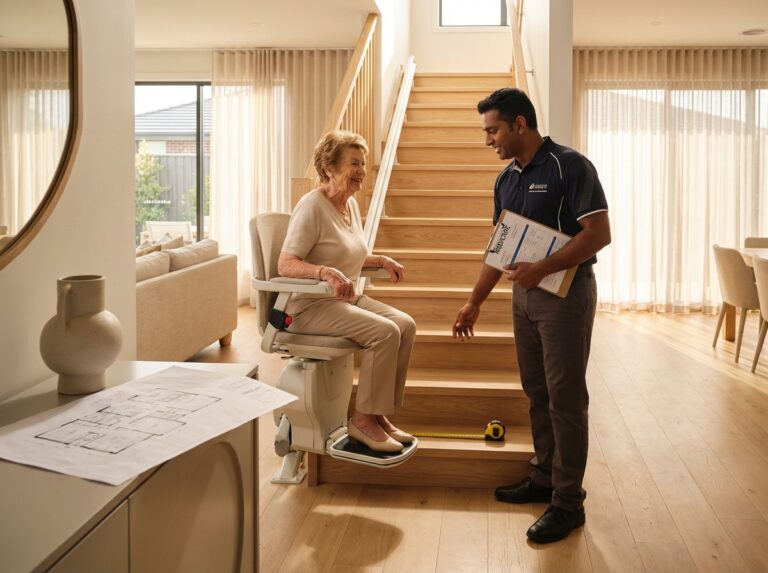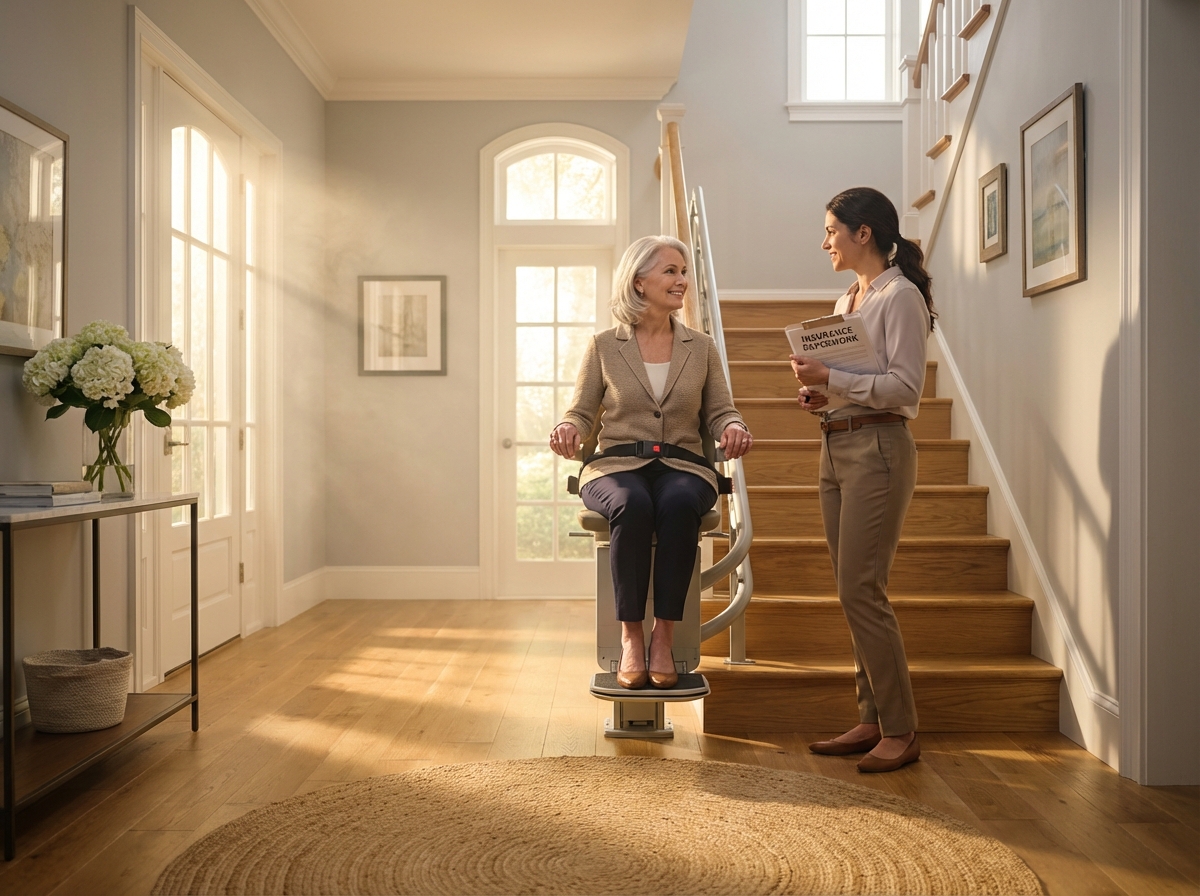
Many seniors and caregivers ask whether Medicare will pay for a stairlift. This guide explains how traditional Medicare views stairlifts, when Medicare Advantage or other programs might help, and practical next steps for planning, funding, installation, and safety upgrades so you can make an informed decision for safer stairs at home.
How Medicare works and why stairlift coverage is complicated
Medicare is a complex system with several parts handling different types of care. Medicare Part A covers hospital stays and skilled nursing facilities. Medicare Part B is for outpatient services, including doctor visits and Durable Medical Equipment (DME). Medicare Advantage, known as Part C, is offered by private companies. These plans must provide everything that original Medicare covers, but they often add extra benefits that original Medicare does not have.
The rules for Durable Medical Equipment are very strict. To qualify, an item must be durable, able to withstand repeated use, and used for a medical reason. Crucially, it must be used in your home and have an expected life of at least three years. While the motor and rail of a stairlift are built to last much longer than three years, the “medical reason” criteria creates a barrier.
Traditional Medicare treats stairlifts differently than standard medical equipment. They classify them as home modifications rather than DME. Because a stairlift is attached to the house, Medicare views it as a structural change to the building and a convenience for the homeowner, rather than a medical necessity for the body. This distinction is the primary reason Part B rarely pays for them. You can read more about this in the Medicare coverage for stair lifts guide.
This classification has practical consequences. If you have original Medicare, you will likely pay the full cost yourself. Even if a doctor states you need a lift to stay safe, Medicare will typically deny the claim based on the home modification rule. This differs from a wheelchair, which is not attached to the house and moves with the person. That portability is why Medicare covers wheelchairs but not stairlifts.
Medicare Advantage plans are more flexible, especially in late 2025. Many of these plans now offer supplemental benefits focusing on home safety to prevent falls. Insurance companies understand that preventing a fall—and the subsequent broken hip and hospital stay—is cost-effective. Some plans use “Special Supplemental Benefits for the Chronically Ill,” a program allowing them to pay for home modifications if it helps manage a chronic condition.
You may face prior authorization hurdles with these plans. The insurance company will require proof of need, often including a functional assessment by an occupational therapist. They document your risk of falling and how you move. The plan reviews this before agreeing to pay. This is a common part of Medicare and Stair Lifts: A Coverage Guide for Older Adults.
Local coverage determinations also vary. These are rules set by the companies processing Medicare claims in different regions. One region might be more lenient than another, leading to confusion where a friend in another state gets coverage while you do not.
CMS policy trends are slowly moving toward more support in the home. By December 2025, more programs are viewing the home as a place of care. Some pilot programs are starting to treat stairlifts more like medical equipment, but these are not yet standard rules for everyone.
The “primary use in the home” rule is another factor. Medicare requires that DME be used primarily within the living space. While a stairlift meets this definition, the fact that it is bolted to the stairs remains the biggest obstacle. Medicare prefers equipment that is not a permanent part of the real estate.
You should check your plan documents carefully. Every plan has an Evidence of Coverage listing every benefit. It will indicate if home modifications are included and list any limits on the amount they will pay. Some plans might only pay for a portion of the cost or have a maximum dollar amount for the year.
Plan Verification Checklist
Check the Durable Medical Equipment list in your Part B documents to confirm standard exclusions.
Review your Medicare Advantage supplemental benefits for “home safety” or “mobility assistance.”
Contact your insurance company customer service and ask specifically about stairlift coverage.
Speak with a local equipment supplier who has experience with different insurance plans.
Get a written recommendation from your doctor, as this is the first step for any coverage request.
When Medicare may cover a stairlift and documentation needed
While traditional Medicare Part B rarely pays for a stairlift, specific pathways exist where you might find a way forward. The standard rule is that these devices are home modifications. However, rare cases exist where a stairlift might meet the criteria for Durable Medical Equipment. This usually happens when a doctor can prove the lift is the only way for a patient to receive essential medical care within their home. You must show objective mobility limitations that make every other option impossible. For example, if a patient has a severe respiratory condition and their only bathroom is on the second floor, a stairlift might be argued as a medical necessity. The documentation must prove that no alternative accessible space exists on the ground floor. This is a difficult path, and most claims are denied because the equipment is not considered portable.
Medicare Advantage and Home Modification Benefits
Medicare Advantage plans (Part C) offer more flexibility in 2025. Many private plans have expanded supplemental benefits to include home safety repairs. Start by checking your Evidence of Coverage document for a section titled “Special Supplemental Benefits for the Chronically Ill.” Some plans use these funds to pay for devices that prevent falls or help you stay in your home. You will need prior authorization before purchase. This involves submitting a request to the insurance company, which will review your medical records to see if the lift is a cost-effective way to prevent a nursing home stay. Always call your plan provider to ask about their specific requirements for home modifications.
Documentation for Temporary Recovery and Medical Necessity
In some cases, a supplier might bill Medicare for a stairlift if it is needed for a short period during recovery. This is rare but happens when a patient is expected to regain mobility after major surgery. The documentation must be detailed, starting with a formal physician prescription. You also need a functional assessment from a physical or occupational therapist describing exactly how you move and showing that you cannot safely navigate stairs even with help. The notes must emphasize that the lift is a medical necessity for recovery. If the supplier agrees to bill Medicare, they will often require you to sign an Advance Beneficiary Notice, stating you will pay the bill if Medicare denies the claim. Most suppliers will ask for payment upfront because the risk of denial is high.
Claim Submission Steps and Common Denials
The claim process begins after installation. The supplier submits a claim to Medicare using specific billing codes. Since most stairlifts do not have a dedicated code, they are often billed under a general category, which frequently triggers a manual review. Medicare will check if the lift is attached to the home; if it is bolted to the stairs, they classify it as a permanent home modification, triggering a denial under Part B rules. Another common reason for denial is the lack of a face-to-face encounter with a doctor. You must see your physician specifically to discuss your mobility needs before the lift is ordered. If the medical notes do not mention the stairs specifically, the claim will likely fail.
Physician Letter Checklist
A strong letter from your doctor can make a difference during an appeal. Use this checklist to ensure the letter covers all necessary points:
1. Primary medical diagnosis causing mobility issues
2. Specific functional limitations like muscle weakness or balance loss
3. Detailed explanation of why stairs are a safety hazard
4. Statement that a first-floor living arrangement is not possible
5. List of other assistive devices already tried (canes, walkers)
6. Expected medical outcome such as fall prevention or improved heart health
The Appeal Process and Working with Suppliers
If your claim is denied, you have the right to appeal. This process has several levels with strict deadlines. Working closely with your equipment supplier is vital, as they often know the wording insurance companies look for. Keep a log of every phone call to the insurance company, including names and dates. This information is helpful if you need to escalate your case.
Sample Appeal Timeline
The following table shows the typical steps and timing for a Medicare appeal in 2025.
| Level | Action Required | Typical Deadline |
|---|---|---|
| Level 1 | File a Redetermination request with the Medicare contractor. | 120 days from denial |
| Level 2 | Request a Reconsideration by a Qualified Independent Review Entity. | 180 days from Level 1 decision |
| Level 3 | Request a hearing with an Administrative Law Judge. | 60 days from Level 2 decision |
| Level 4 | Request a review by the Medicare Appeals Council. | 60 days from Level 3 decision |
When filing an appeal, focus on medical facts, not financial hardship. Medicare only cares if the equipment meets their definition of medical necessity. Provide new evidence, such as updated therapy notes or a letter from a specialist. Many people give up after the first denial, but some claims are approved at the second or third level of appeal.
Other funding sources and programs to pay for a stairlift
Medicaid is the primary alternative for seniors who cannot get Medicare to pay for a stairlift. Most states offer Home and Community Based Services waivers, often referred to as 1915(c) waivers. These are designed to help people stay in their homes instead of moving to a nursing facility. Because these programs are state-run, rules vary significantly. Some states cover the full cost of a stairlift as a home modification, while others have strict dollar limits. Search for your state’s specific waiver programs on the official Medicaid.gov website. Eligibility usually requires a medical need for a nursing home level of care and limited income.
VA Benefits and Veteran Grants
HISA Grants
The Home Improvements and Structural Alterations (HISA) grant is a common resource for veterans. It provides funds for medically necessary improvements to a primary residence. For the 2025 fiscal year, the VA limits are specific: Veterans with a service-connected disability can receive up to 6,800 dollars. Those with a non-service-connected disability may receive up to 2,000 dollars. Start by contacting a VA caseworker at your local VA medical center to help with the required clinical evaluation.
SAH and SHA Grants
Specially Adapted Housing (SAH) and Special Home Adaptation (SHA) grants are for veterans with more severe service-connected disabilities. These grants offer much higher funding amounts and can be used to install a stairlift or build a new accessible home. Eligibility is strict and depends on your disability rating.
State and Local Assistance Programs
Assistive Technology Programs
Every state has a federally funded Assistive Technology program. These programs often have equipment loaner closets where you might find a refurbished stairlift. They also offer low-interest loan programs specifically for home modifications, often with better terms than traditional bank loans. You can find your state’s program through the Association of Assistive Technology Act Programs website.
Area Agencies on Aging
Local Area Agencies on Aging receive federal money to help seniors age in place. They may have small grants or fall prevention programs that can help with the cost of a stairlift. Use the Eldercare Locator to find your local office. These agencies also know about local non-profit groups that help with home repairs.
Non-Profit and Community Organizations
Groups like Rebuilding Together often help seniors with home safety upgrades and may provide labor for installation if you purchase the equipment. Habitat for Humanity also has home preservation programs in many cities. Local senior centers or religious organizations sometimes have small emergency funds for home safety needs.
Tax Deductions and IRS Guidance
Medical Expense Deductions
The IRS allows you to deduct the cost of a stairlift if it is medically necessary under the medical and dental expense deduction. For the 2025 tax year, you can only deduct the portion of your medical expenses that exceeds 7.5 percent of your adjusted gross income. You must itemize deductions on Schedule A and have a written recommendation from a doctor stating the stairlift is necessary for your health.
Capital Improvements
If the stairlift is considered a capital improvement, the deduction is limited to the difference between the cost and the added home value. For example, if the lift costs 4,000 dollars and increases your home value by 1,000 dollars, you can only deduct 3,000 dollars. Since most stairlifts do not add significant value to a home, the full cost is often deductible. Keep all installation receipts and medical records for your tax preparer.
Consumer Financing Options
Manufacturer and Dealer Financing
Many stairlift companies offer financing plans. Some brands offer 0 percent interest for the first 12 months, but rates can jump to 15 percent or higher after the promotional period. Read the fine print to avoid deferred interest charges.
Home Equity and Personal Loans
A Home Equity Line of Credit (HELOC) or home equity loan usually has lower interest rates, often between 7 and 9 percent in late 2025. These loans use your home as collateral. Personal loans are faster to get but do not require collateral, with interest rates ranging from 8 to 18 percent based on credit score.
Medical Credit Cards
Cards like CareCredit are widely accepted by installers. They often have interest-free periods of 6 to 18 months. If you do not pay the full balance by the end of the period, you will be charged interest from the original purchase date.
Prioritized Decision Framework
Step One
Check your insurance and Medicaid waivers first. These options provide financial relief without adding debt. Check for veteran grants if you served in the military.
Step Two
Look for state assistive technology loans or non-profit grants. These are often low-cost or free and can be combined with other funding.
Step Three
Consider low-interest financing like a HELOC or manufacturer promotion. Use these only if you have a stable income to cover monthly payments. You can find more details on stair lift costs to help budget.
Step Four
Pay out of pocket or look for refurbished models. This is the last resort if other programs are not available. Consider a phased solution where you install a straight lift now and add other modifications later.
Planning installation choosing a model and making your stairs safe
Once you have identified your funding sources, planning for a stairlift starts with a physical assessment of your home and the specific needs of the user. Determine the weight capacity required; standard models support up to 300 pounds, while heavy-duty models handle 400 to 600 pounds with wider seats and stronger motors.
Evaluating Your Staircase Layout
Stair Type and Shape
Identify if your stairs are straight or curved. A straight staircase goes from one floor to the next without turns, intermediate landings, or changes in direction. Curved staircases include any stairs with a 90-degree turn, 180-degree turn, or a landing in the middle. Even a single pie-shaped step requires a curved rail. Curved rails are custom-made to fit the exact contours of your home, making them significantly more expensive.
Measurements and Clearances
Measure the width of your stairs from the wall to the handrail. Most stairlifts require at least 29 to 32 inches of width. Check clearance at the top and bottom; there must be room for the user to get in and out without blocking a doorway or creating a tripping hazard. If a rail ends in front of a door, you might need a folding hinge rail that folds up when not in use.
Stairlift Types and 2025 Cost Estimates
Prices for stairlifts have shifted slightly in 2025 due to material costs and specialized labor. Below are the typical price bands for equipment and professional installation.
| Stairlift Type | Estimated Price Range (Installed) |
|---|---|
| New Straight Rail | $3,200 – $5,800 |
| New Curved Rail | $10,500 – $18,000 |
| Used or Refurbished (Straight) | $1,900 – $3,500 |
| Outdoor Straight Model | $5,500 – $8,500 |
| Standing or Perch Lift | $4,000 – $6,500 |
| Inclined Platform Lift | $14,000 – $25,000 |
Platform Lifts vs. Stairlifts
When choosing a type, consider the difference between a standard stairlift and a platform lift. A stairlift has a seat you must transfer into. An inclined platform lift is like a small open elevator that carries a person while they remain in their wheelchair. Platform lifts are much larger, require more space at the bottom of the stairs, and are more expensive, but they are essential for users who cannot transfer safely.
Labor and Modification Costs
Basic installation for a straight lift takes three to four hours, with labor costs ranging from $500 to $1,200. Curved installations are more complex, often requiring two technicians for a full day; budget an extra $1,500 to $3,000 for this labor. If your home requires electrical work or structural reinforcement, costs will increase.
Alternative Options: Renting and Used Markets
Renting a Stairlift
If you are recovering from surgery and only need assistance for a few months, renting is a viable option. Most companies only rent straight stairlifts because curved rails are custom-made. You typically pay an installation fee plus a monthly rental fee. If the total cost of renting for a year approaches the price of a used unit, buying might be more economical.
Buying Used or Refurbished
Buying a used lift can save you $1,000 or more. Ensure you buy from a reputable dealer who offers a warranty and “certified pre-owned” inventory. Dealers inspect motors, replace batteries, and check safety sensors. Avoid buying from private individuals, as you cannot verify the unit’s safety history, and professional installation is still required.
Choosing a Reputable Supplier and Installer
Never attempt to install a stairlift yourself. Professional installation ensures the rail is anchored correctly and safety sensors are calibrated. Look for a supplier with factory-trained technicians and verify credentials through the National Association of Elevator Contractors. Ask for proof of insurance, a local business license, and references from customers who have had their lifts for more than a year.
Required Home Modifications for Safety
Electrical and Power Needs
Stairlifts run on batteries but need a standard 110V outlet for charging. The installer will plug a transformer into a nearby outlet. Avoid extension cords. If no outlet is near the stairs, hire an electrician to install one. Most modern lifts include a battery backup system for power outages.
Structural Anchoring
Stairlift rails bolt directly into the stair treads, not the wall, making the installation very stable. For concrete or metal stairs, specialized anchors are used. Ensure stairs are in good repair; loose boards or crumbling concrete must be fixed before installation.
Comprehensive Stair Safety Upgrades
A stairlift is only one part of a safe home. Improve lighting by installing LED strip lighting along baseboards or under handrails, aiming for at least 100 lux of brightness. Add non-slip treads to exposed steps. Ensure sturdy handrails exist on both sides of the staircase. Remove thick rugs or uneven flooring at the top and bottom to prevent stumbling.
Maintenance, Warranty, and Future Considerations
Follow a strict maintenance schedule to prevent breakdowns. Most manufacturers offer a one-year warranty on labor and longer warranties on motors and gearboxes.
- Annual Professional Inspection. A technician should check rollers, tighten bolts, and lubricate the track once a year (typically $150–$300).
- Battery Replacement. Batteries last two to three years; replace them before they lose charge (approx. $100–$200).
- Cleaning. Wipe the rail with a dry cloth weekly. Do not use wet cleaners or grease.
- Safety Sensor Test. Regularly check that the lift stops when it hits an obstacle.
Moving the Lift
If you sell your home, a professional can uninstall the lift. While the motor and seat are transportable, the rail is often cut for a specific house and may not fit a new location. Many homeowners choose to leave the lift as a selling point for other seniors.
Pre-Installation Timeline
Straight lifts are often in stock and installed within three to seven days. Curved lifts require custom manufacturing, taking four to ten weeks. Use this time to clear the stairs and ensure the path is wide enough for technicians. On installation day, plan to spend an hour with the technician learning to use the remote controls and emergency stop features. You can find more details on technical requirements through resources like the National Council on Aging guide.
Final results next steps and recommendations
Moving forward with a stairlift purchase requires a clear understanding of the financial landscape in late 2025. The most important conclusion is that Original Medicare (Part A and Part B) does not pay for the purchase or installation of a stairlift. This policy remains consistent because the Centers for Medicare and Medicaid Services categorize these devices as home modifications, not durable medical equipment. While this is a setback, several alternative paths offer genuine support.
The Most Promising Funding Paths
Medicare Advantage plans represent the most significant shift in coverage. Many private insurers now include supplemental benefits for home safety. Check your 2025 Evidence of Coverage for “Special Supplemental Benefits for the Chronically Ill.” Some plans provide a flat allowance for safety upgrades or cover a portion of the lift to prevent expensive hospitalizations.
Medicaid offers a route through Home and Community-Based Services waivers, designed to keep seniors out of nursing homes. If a stairlift allows you to stay home safely, Medicaid might pay for it, though availability and limits vary by state.
The Department of Veterans Affairs remains a reliable source for eligible veterans. The HISA grant provides up to 6,800 dollars for service-connected disabilities and up to 2,000 dollars for non-service-connected conditions. For those with significant mobility challenges, SHA and SAH grants offer higher limits for comprehensive remodeling.
Prioritized Checklist for Next Steps
1. Secure a Professional Medical Assessment
Schedule a visit with your primary care physician. You need a formal functional assessment documenting your risk of falling and inability to navigate stairs. Request a written prescription for a stairlift, which is essential for insurance appeals, tax deductions, or grant applications.
2. Review Your Insurance Evidence of Coverage
Download your 2025 Evidence of Coverage. Look for “Home Environmental Support” or “Over-the-Counter” benefits. Call member services to ask if they require prior authorization for home safety equipment.
3. Obtain Multiple Detailed Quotes
Contact at least three reputable suppliers for in-home visits. A proper quote requires measuring the rise, run, and width of your stairs. Ensure quotes include the unit, installation labor, and electrical work. See the stair lift costs guide for pricing benchmarks.
4. Evaluate Warranty and Service Terms
Ask for a written copy of the warranty. Know how long the motor and batteries are covered and inquire about repair response times. You need a company offering 24-hour emergency service.
5. Explore Community Grants and Financing
If insurance denies your claim, contact your local Area Agency on Aging for information on non-profits or state-funded programs. Many manufacturers also offer internal financing plans.
Strategic Decision Guide
Choosing between a new or used stairlift often depends on your staircase shape. For straight stairs, a used model can save thousands, provided it is refurbished by a professional. For curved staircases, used options are rarely feasible because rails are custom-made. Buying a used curved rail is dangerous as it will not align correctly with your steps.
If mobility is declining rapidly, consider if a stairlift is the best long-term solution. A home elevator or vertical platform lift might provide better utility for wheelchair users. If modification costs exceed your budget or home value, consider remodeling the first floor to include a bedroom and full bath. Before purchasing, consult an occupational therapist for a home safety evaluation to ensure the lift improves safety rather than creating a new obstacle. For further reading on Medicare exclusions, review this Medicare coverage analysis.
Sources
- Does Medicare Cover Stair Lifts in 2025? – DME Elevators & Lifts — Unfortunately, Medicare does not cover the cost of stair lifts. This is because stair lifts are not considered to be durable medical equipment according to …
- Does Medicare Cover Stair Lifts? Costs, Coverage, and Alternatives … — Medicare doesn't cover stair lifts, but some Medicare Advantage plans might. Explore costs, coverage options, and affordable alternatives.
- Medicare and Stair Lifts: A Coverage Guide for Older Adults — Will Medicare pay for a stair lift? No—since they aren't considered medically necessary, Medicare does not cover them. Find out average stair …
- Medicare coverage for stair lifts – Medical News Today — Medicare coverage does not include stair lifts, as they are considered home modifications or assistive devices rather than durable medical equipment (DME).
- How Much Does a Stair Lift Cost? [2025 Data] | Angi — Are stair lifts covered by Medicare? Unfortunately, Medicare does not cover stair lifts, but you might be able to get financial assistance …
- Stair Lift Statistics 2025 | ConsumerAffairs® — This report provides general statistics on stair lifts and summarizes key insights, including types of stair lifts, end-uses, and costs.
- How Much Do Stair Lifts Cost in 2025? – National Council on Aging — Does insurance cover stair lifts? Maybe. Original Medicare (Medicare Part A and Medicare Part B) does not. But some other plans might, including …
Legal Disclaimers & Brand Notices
The information provided in this article is for informational and educational purposes only and does not constitute professional medical advice, diagnosis, or treatment. Always seek the advice of your physician or another qualified healthcare provider with any questions you may have regarding a medical condition, mobility limitations, or recovery after surgery. Never disregard professional medical advice or delay in seeking it because of something you have read in this guide.
All product names, logos, and brands mentioned herein are the property of their respective owners. All company, product, and service names used in this article are for identification purposes only. Use of these names, logos, and brands does not imply endorsement or affiliation.